Is keeping a boat in Spain really cheaper than the UK? We compare 2026 marina prices from the Solent to the Mediterranean.
One of the more persistent assumptions in boating is that everything becomes cheaper once you move your boat to Spain.
The fuel is cheaper. The weather is better. You use the boat more. And surely a berth on the Mediterranean must cost less than one squeezed into the Solent?
Sometimes it does.
But not always.
In 2026, marina berthing costs in the UK and Spain vary so dramatically by location that the country itself is almost secondary. A 10-metre yacht can cost under £4,000 a year to berth in parts of Britain or close to £10,000 on the south coast. In Spain, the same boat might cost under €5,000 on the mainland, while a desirable berth in Mallorca can easily push into premium-UK territory.
So where does your money actually go furthest?
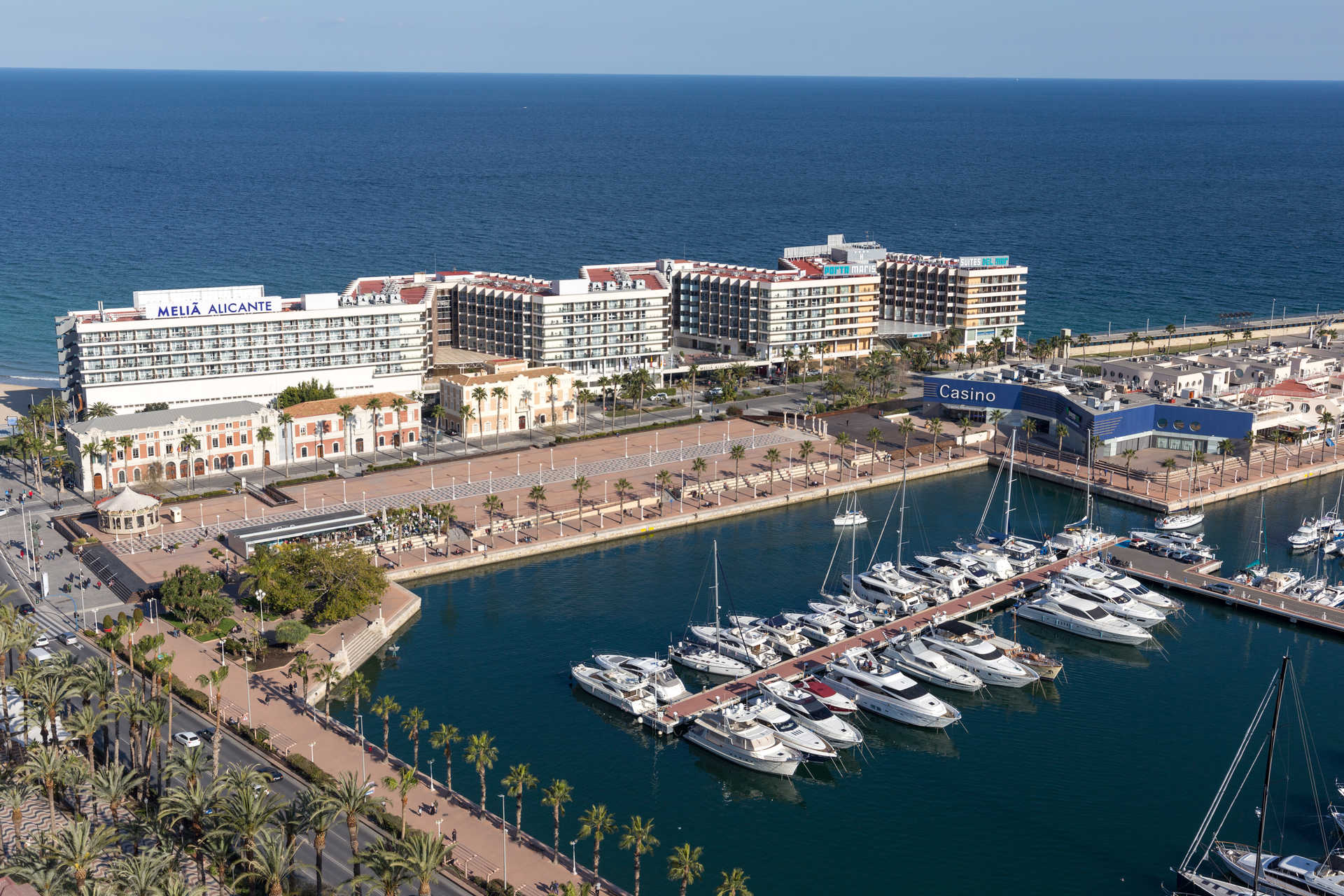
The UK: The Solent Changes Everything
Talk about UK marina costs and the conversation normally drifts towards the Solent.
There is a reason for that.
The combination of limited space, huge boating demand and immediate access to some of Britain's best cruising grounds makes berthing around Hamble, Lymington and Southampton expensive.
For the 2026/27 season, Lymington Yacht Haven charges £9,195 for a berth of up to 10.1 metres and £12,650 for one up to 12.2 metres. Harbour dues and the Harbour Protection Levy add another £36.56 per metre, taking the effective annual cost to around £9,560 for a 10.1m boat and just over £13,000 for a 12.2m boat, before metered electricity.
That is serious money.
Move away from the south coast, however, and the picture changes dramatically.
At Royal Quays Marina on the Tyne, 2026 annual berthing starts at £398 per metre when paid in full. A 10-metre boat therefore costs around £3,980 a year.
Neyland Yacht Haven in Pembrokeshire is similar. Its 2026 rates are £385 per metre in the upper basin and £485 in the lower basin, meaning the same 10-metre yacht could cost between £3,850 and £4,850 annually.
That gives you the real UK range.
A berth isn't expensive simply because it's British.
A berth is expensive because everybody wants to keep their boat in the same place.
Spain: Mainland Berthing Can Be Surprisingly Good Value
Spain has exactly the same problem, only with sunshine added.
The Spanish Mediterranean coast contains an enormous number of marinas, meaning competition can keep prices surprisingly reasonable away from the major hotspots.
A good example is Alcaidesa Marina, beside Gibraltar.
Its published 2026 annual tariff lists a 10-metre sailing-yacht berth at €3,696 before Spanish VAT, while a 12-metre berth is €4,314. Motorboat rates are slightly higher at €3,964 and €4,700 respectively. Spain's 21% IVA takes the final cost to roughly €4,470 for a 10m sailing yacht and €5,220 for a 12m yacht at the discounted published annual rates.
That is dramatically cheaper than Lymington.
And unlike Britain, you're paying for a berth in a climate where the boat can realistically be used throughout much of the year.
That matters.
A £10,000 marina berth used for 20 weekends feels very different from a €5,000 berth where you can comfortably spend 50 or 60 days aboard.
But Then There's Mallorca
The idea that Spain automatically means cheap berthing falls apart as soon as you arrive in the Balearics.
Mallorca, Ibiza and Formentera operate in an entirely different market, particularly during summer.
Demand is enormous, supply is constrained and some of Europe's most expensive yachts are competing for the same stretches of coastline.
The official 2026 maximum tariff for Marina Port Andratx demonstrates the difference nicely. Berthing for boats up to 12 metres is calculated by berth area, at €0.29 per square metre per day in the low season and €0.72 in high season, with June to September defined as high season. VAT is additional.
Take a hypothetical 10m x 4m berth and those maximum base rates work out at roughly €6,330 before IVA, or around €7,660 including 21% VAT, over a full year.
A 12m x 4.4m berth would come out at roughly €8,360 before IVA, or around €10,100 including tax.
Suddenly Spain doesn't look quite so cheap.
And that's before you start looking at some of the most desirable private marinas around Palma, Ibiza or Puerto Portals.
So Is Spain Actually Cheaper?
For a typical 10–12 metre cruising boat, mainland Spain often is.
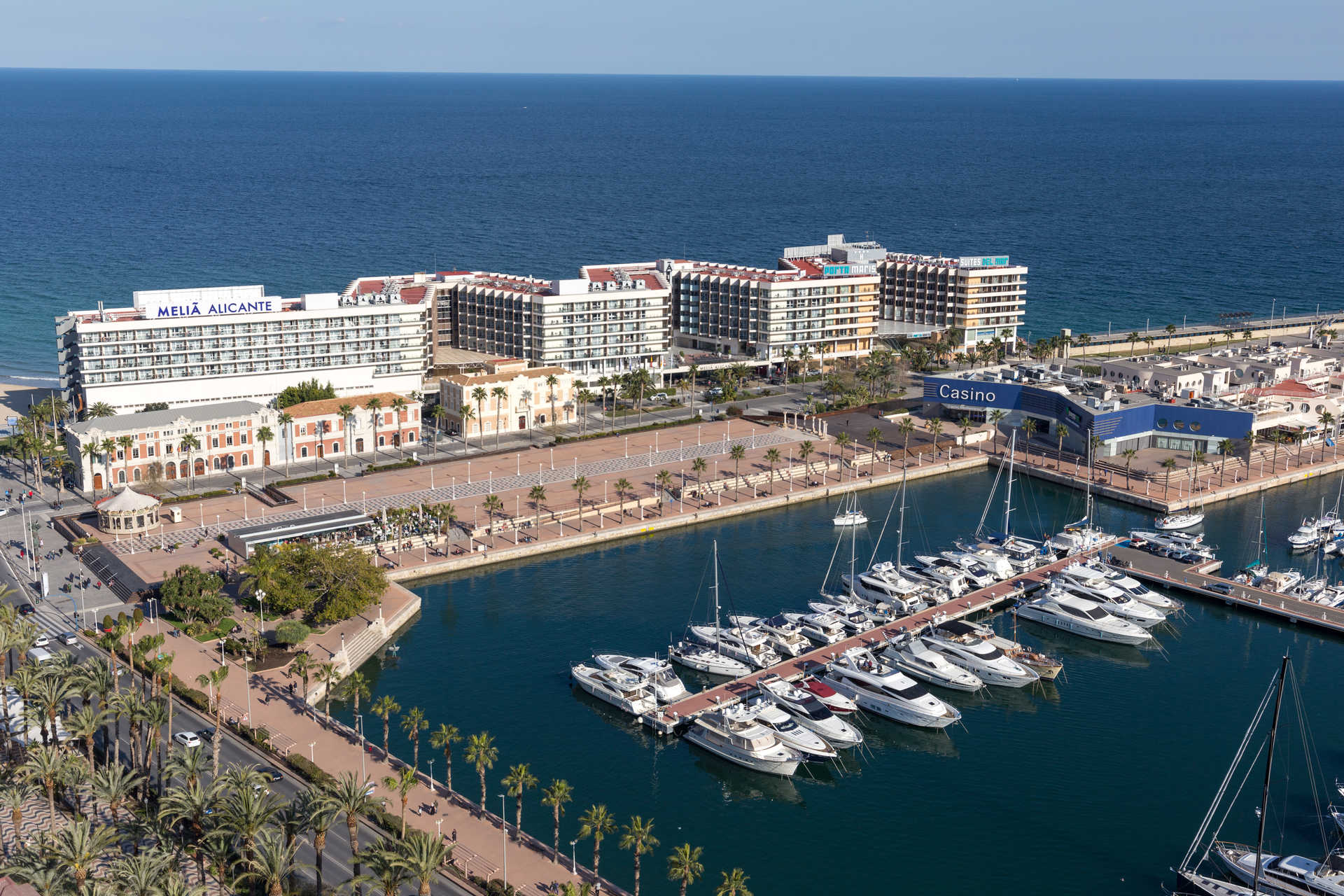
If you compare Alicante, Valencia, Murcia or the Costa del Sol with premium marinas on the Solent, the Mediterranean can offer a remarkably compelling combination of lower berthing costs and far more usable boating days.
But compare Mallorca with Wales or northern England and Britain wins easily on price.
A rough 2026 picture looks something like this:
ExampleApproximate annual cost10m boat, Royal Quays£3,98010m boat, Neyland£3,850–£4,85010m sailing yacht, Alcaidesa€4,470 incl. IVA10m berth, Port Andratx illustration~€7,660 incl. IVA10.1m berth, Lymington~£9,560 incl. harbour charges12.2m berth, Lymington~£13,100 incl. harbour charges
These aren't like-for-like products – marina facilities, berth dimensions, contract terms and what's included all vary – but they show just how enormous the regional differences can be.
Visitor Berthing Tells an Interesting Story Too
The contrast becomes even more obvious if you cruise rather than keeping the boat permanently in one marina.
Lymington's 2026 visitor tariff is £5.60 per metre per night for boats up to 12.2m. A 10-metre yacht therefore pays £56 a night.
At Alcaidesa Marina, a 10-metre boat is listed at €18.64 per day during the 2026 high season before taxes and additional port charges. Even allowing for IVA and fees, that remains substantially below many Solent visitor prices.
The Balearics again reverse the equation.
Peak-season visitor berths around the islands can command a substantial premium, and the difference becomes increasingly dramatic as boats get larger.
This is one reason many Mediterranean owners spend far more nights at anchor than British owners.
In Britain, the marina is often the destination.
In Spain, the marina is sometimes somewhere you reluctantly visit because the water tank is empty.
The Hidden Difference: How Marina Prices Are Calculated
UK buyers are generally accustomed to being charged primarily by length overall.
Spain can be less straightforward.
Some marinas price by vessel dimensions, while others allocate fixed berth categories or calculate charges using the area of the berth – effectively length multiplied by beam.
That makes beam surprisingly important.
A wide modern 11-metre motorboat may require a substantially larger and more expensive berth than a narrow 11-metre sailing yacht.
Catamarans are the extreme example.
They can be difficult to accommodate and may attract significant surcharges in either country because they occupy the space of roughly two conventional boats.
This is why asking a marina "what does a 12-metre berth cost?" isn't always enough.
Give them the boat's exact length and beam.
Electricity, Water and Everything Else
The headline berth price also doesn't tell the whole story.
Lymington, for example, meters electricity separately. Alcaidesa's 2026 tariff likewise charges electricity and water according to actual consumption, listing electricity at €0.30 per unit and water at €1.90 per cubic metre.
Other marinas bundle some services into the annual fee.
Then look at what else you're getting.
UK marina contracts can include benefits such as periods of free storage ashore, discounted fuel or complimentary nights at sister marinas. Lymington's annual package, for example, includes up to 14 complimentary visitor nights within the Yacht Havens network and free summer storage ashore.
Those benefits have real value if you actually use them.
Simply comparing the headline annual fee can therefore be misleading.
There's Another Cost Spain Wins On: Usage
This is harder to put into a spreadsheet, but perhaps more important than anything else.
Suppose two owners each pay £6,000 equivalent for a berth.
The UK owner uses the yacht on 25 days during the year.
The Spanish owner spends 70 days aboard.
The berth effectively costs the UK owner £240 for every boating day and the Spanish owner £86.
Obviously nobody literally accounts for boat ownership that way, but it illustrates why Mediterranean berthing can feel like better value even when the annual marina invoice isn't dramatically cheaper.
The ability to use a boat regularly is part of what you're buying.
Would We Keep a Boat in the UK or Spain?
If the decision were purely financial, we'd avoid the fashionable locations in either country.
A mainland Spanish marina can offer exceptional value, particularly around Valencia, Alicante, Murcia and parts of Andalucía. You get access to Mediterranean cruising, far more predictable weather and potentially an annual berth for substantially less than a comparable marina on the Solent.
If Britain were home, we'd look beyond the obvious hotspots. Moving even a relatively modest distance away from the Solent can save thousands of pounds every year.
Mallorca is different.
You don't keep a boat there because it's cheap.
You keep a boat there because when you leave the marina on a Saturday morning you have Cala Portals, Cabrera, Andratx, Sóller, Ibiza and Menorca waiting outside.
Like property, marina pricing ultimately comes down to location.
The Verdict
So, are berthing costs cheaper in Spain than the UK in 2026?
Usually – but only if you're comparing the right places.
Mainland Spain versus the Solent: Spain often wins comfortably.
Mainland Spain versus regional UK marinas: surprisingly close.
Mallorca or Ibiza versus regional Britain: the UK can be substantially cheaper.
Premium Balearics versus premium Solent: neither is going to feel inexpensive.
For most owners, though, the best-value berth isn't necessarily the cheapest one.
It's the berth that's close enough to use regularly, in a cruising area you actually enjoy, at a price that doesn't make you wince every time the direct debit leaves your account.
Because saving £2,000 a year on a marina three hours from home isn't much of a saving if it means you stop using the boat.
Compare marinas before choosing a berth
The Jack & Anchor Marina Directory lets you find and compare marinas across the UK and Europe, including facilities, local cruising areas and contact information.
If you're still looking for the boat to put in that berth, browse Boats for Sale or use BoatCheck to investigate a used boat before committing to the purchase.